
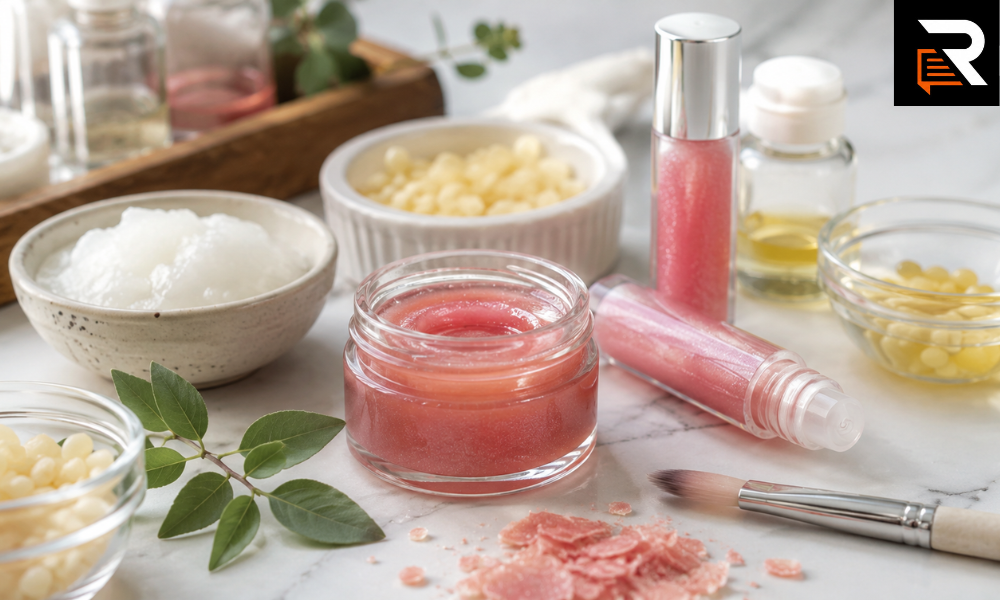
Lip gloss has earned its spot as one of the most beloved beauty staples across generations, prized for its glassy shine and effortless glow. But have you ever paused mid-swipe and wondered, what is lip gloss made of? The short answer is a carefully balanced blend of oils, waxes, synthetic polymers, and pigments, each playing a specific role in texture, hydration, and shine. This guide breaks down every ingredient, compares natural and synthetic formulas, and walks you through creating your own gloss at home with confidence.
What Is Lip Gloss, Exactly?
Before exploring what lip gloss is made of at the ingredient level, it helps to understand what the product actually is. Lip gloss is a cosmetic designed to add shine, hydration, and a smooth, glassy finish to the lips, often with sheer or no pigment at all. Unlike lipstick, it prioritizes slip and radiance over bold, opaque color payoff, making it a lighter, more versatile option for everyday wear.
The format has evolved dramatically since its early days, moving from simple petroleum-based shines to sophisticated formulas featuring plumping agents, skincare actives, and long-wear technology. Today’s glosses can hydrate like a lightweight serum while still delivering that coveted wet-lip look, which is exactly why the product remains a multitasking favorite in nearly every makeup bag, regardless of age or personal style.
Key Ingredients Behind Every Formula
This is really the heart of the question: what is lip gloss made of, ingredient by ingredient? Most formulas rely on a handful of core categories working in harmony, and understanding each one helps you choose a gloss suited to your lips, whether you want maximum shine, gentle hydration, or a fragrance-free formula built for sensitive skin.
Oils and emollients form the hydrating backbone of nearly every gloss, with ingredients like jojoba oil, coconut oil, castor oil, and mineral oil coating the lips in a smooth, slick layer that locks in moisture and prevents that dry, tight feeling some glosses leave behind. Alongside them, synthetic polymers such as polybutene and hydrogenated polyisobutene act as thickeners, controlling viscosity so the product feels luxurious rather than runny while helping it cling to lips longer without turning sticky or heavy.
Waxes, including beeswax and candelilla wax, provide the structural backbone that keeps gloss from sliding right off your lips, helping the formula hold its shape in the tube while creating a light film on the skin that supports all-day staying power. Pigments and shimmer agents like mica, titanium dioxide, and iron oxides deliver color, pearlescent effects, or glitter finishes and are finely milled to blend smoothly without a gritty feel. Rounding things out, additives such as fragrances, flavors, preservatives, and vitamin E enhance scent, taste, and shelf stability, which matters since lip products touch your skin multiple times a day.
Lip Gloss Versus Lipstick and Lip Balm
While all three products share overlapping ingredients like oils and waxes, their ratios and purposes differ significantly. Lipstick contains a higher concentration of waxes and pigments for bold, long-lasting color, while lip balm leans heavily on emollients and minimal wax for pure hydration with little to no shine or tint. Understanding these differences makes it easier to build a lip care routine that actually fits your needs.
Lip gloss sits comfortably in the middle, borrowing the hydration of balm and the light color of lipstick while adding polymers for that glassy, reflective finish that neither of the other two products can fully replicate. Choosing between the three often comes down to occasion and preference: balm for daily care, lipstick for a statement look, and gloss for a fresh, dewy finish that photographs beautifully and feels comfortable throughout the day.
Real Benefits Hiding in the Formula
Beyond aesthetics, the ingredients in lip gloss offer genuine functional benefits worth appreciating. The oils and emollients provide deep hydration, helping to prevent chapping and locking in moisture throughout the day, especially in dry climates or during colder months when lips tend to suffer the most. Many modern formulas also include plumping agents like menthol or capsaicin derivatives, which create a subtle tingling sensation alongside temporary fullness.
Some glosses are formulated with SPF for sun protection, an important addition since lips are frequently overlooked in daily sunscreen routines despite being just as exposed as the rest of the face. When combined with vitamin E and other antioxidants, high-quality lip gloss ingredients can support smoother, healthier-looking lips over time while still delivering the irresistible shine that makes the product so popular in the first place.
Natural Formulas Compared to Synthetic Ones
Once you understand what lip gloss is made of, the next natural question is whether natural or synthetic formulas serve you better. Natural and vegan glosses lean on plant-based oils, candelilla or carnauba wax, and mineral pigments, appealing to those seeking cleaner beauty routines with fewer lab-derived ingredients and a gentler overall profile for sensitive or reactive skin types.
Synthetic formulas, on the other hand, rely on engineered polymers to achieve superior shine, longer wear, and a non-sticky texture that’s genuinely difficult to replicate through natural ingredients alone. Neither option is inherently better; natural formulas often feel gentler and align with ethical preferences, while synthetic ones typically outperform in longevity and glassy finish. To spot vegan-friendly options, always check labels for terms like beeswax-free or plant-derived wax.
Animal-Derived Ingredients to Watch For
Yes, several traditional lip gloss ingredients are animal-derived, which surprises many shoppers who assume all cosmetics are plant-based by default. Beeswax is the most common, prized for its texture and hold, while carmine, a red pigment derived from crushed cochineal insects, occasionally appears for tint. Lanolin, sourced from sheep’s wool, sometimes shows up as an emollient in richer, more nourishing formulas.
For those avoiding animal-derived ingredients entirely, checking the label for candelilla or carnauba wax instead of beeswax, and confirming carmine-free claims, is the most reliable approach. Many brands now clearly mark products as vegan or cruelty-free, which makes shopping in line with personal or ethical values far easier than it was just a few years ago.
Crafting Your Own Gloss at Home
Making your own gloss is simpler than it sounds and gives you complete control over every ingredient that touches your lips. A basic DIY recipe typically starts with a carrier oil like coconut or almond oil, a small amount of wax or gloss base for structure, and optional additions like mica for color or a few drops of flavoring oil for scent and personality.
The general process involves gently melting the wax and oil together, stirring in pigment or shimmer while the mixture is still warm, then pouring it into small containers to cool and set completely. Getting the wax-to-oil Ratio right is key, since too much wax creates a stiff, tacky product while too little leaves it runny and short-lived. Homemade gloss also lacks commercial preservatives, so store it in a cool, dry place and use it within a few months.
Legal Considerations for Selling Homemade Gloss
If you’re considering turning your DIY hobby into a small business, it’s worth knowing that cosmetic products, including lip gloss, are typically regulated by health authorities such as the FDA in the United States or equivalent bodies elsewhere in the world. Selling to the public requires accurate ingredient labeling and adherence to established safety standards, not just a great-looking product.
Requirements often include proper packaging, expiration dating, and, depending on your region and the scale of your operation, formal safety assessments. What starts as a personal DIY project can quickly become a regulated commercial product once money changes hands, so researching local cosmetic laws before launching your shop is a genuinely crucial first step.
Choosing the Right Gloss for Your Lips
With so many formulas available, choosing the right one comes down to your personal priorities and lip type. Those with sensitive lips should look for fragrance-free, hypoallergenic options with minimal additives. In contrast, people with naturally dry lips benefit most from oil-rich, emollient-heavy formulas that prioritize hydration over maximum shine or plumping effects.
If long wear is your goal, opt for polymer-forward glosses designed to resist stickiness and fading throughout a long day. Eco-conscious shoppers should seek out natural or vegan formulas using plant-based waxes and mineral pigments instead of synthetic alternatives. Ultimately, understanding what lip gloss is made of empowers you to match ingredients to your specific lip care needs rather than guessing on the drugstore shelf.
Read More: https://recentstories.co.uk/bigxthaplug-age/
FAQs
What is the main ingredient in lip gloss?
Most lip glosses are formulated with a combination of oils or emollients for hydration and synthetic polymers, such as polybutene, for shine and viscosity. Together, these two categories form the backbone of nearly every gloss formula, with waxes and pigments added to complete the texture and color.
Are there animal products in lip gloss?
Yes, some lip glosses contain animal-derived ingredients such as beeswax, carmine, or lanolin. Vegan alternatives typically substitute these with candelilla wax, mineral pigments, or plant-based emollients, so checking the ingredient label carefully is the best way to confirm what you’re actually applying to your lips.
Is it legal to sell homemade lip gloss?
It can be, but selling cosmetics is regulated in most countries. You’ll generally need proper ingredient labeling, safety compliance, and sometimes registration with health authorities before selling homemade lip gloss commercially, so it’s essential to check local regulations first before turning a hobby into a business.
Is lip gloss good for your lips?
Lip gloss can be genuinely beneficial thanks to hydrating oils and emollients, and some formulas even include SPF or vitamin E for added care and protection. However, those with sensitive lips should watch for fragrances or irritating additives that could cause discomfort or reactions over time.
How long does homemade lip gloss last?
Homemade lip gloss typically lasts a few months since it lacks the commercial preservatives found in store-bought products. Storing it in a cool, dry place and using clean applicators each time helps extend its usable life and keeps the formula safe for continued use.
Can I make lip gloss without beeswax?
Absolutely. Candelilla wax and carnauba wax are popular vegan substitutes that provide similar structure and hold, making them excellent options for anyone wanting to avoid animal-derived ingredients while still achieving a smooth, long-lasting DIY gloss at home.
Final Thoughts
So, what is lip gloss made of? At its core, it’s a thoughtfully balanced mix of oils, waxes, synthetic polymers, and pigments, each contributing to the shine, hold, and hydration people love. Whether you prefer a natural formula, a high-shine synthetic blend, or a homemade version crafted in your own kitchen, understanding these ingredients helps you make smarter, more confident choices. Next time you reach for your favorite tube, you’ll know exactly what’s behind that glossy finish, and you might even feel inspired to try mixing your own.
One thought on “What Is Lip Gloss Made Of? Ingredients, Benefits & DIY Tips”