
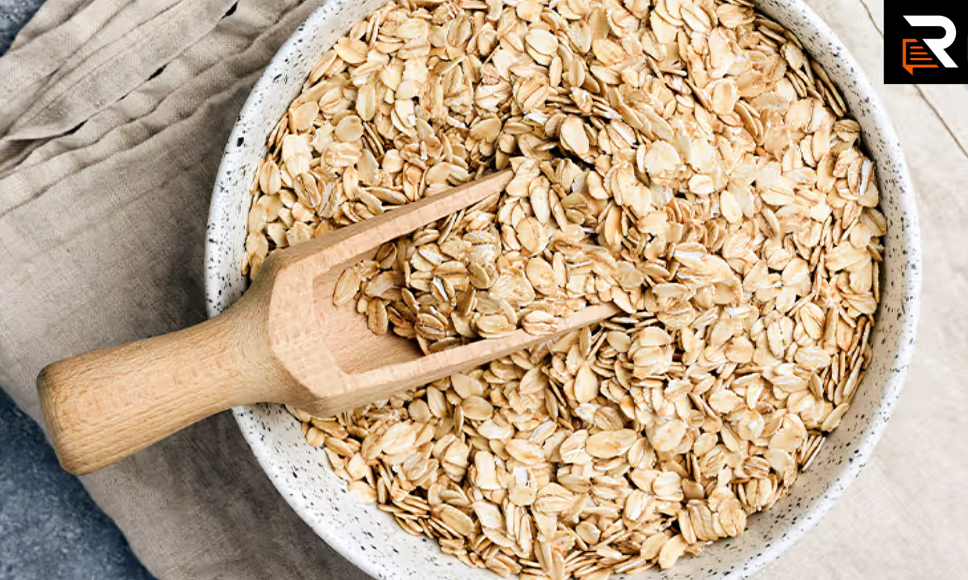
A bowl of oatmeal doesn’t look like much. It’s beige, it’s soft, and unless you dress it up with fruit or honey, it’s not going to win any food photography awards. But the benefits of oatmeal go a lot deeper than its plain appearance suggests. This humble grain has quietly earned a spot in the diets of cardiologists, dietitians, and anyone trying to eat better without overhauling their entire kitchen.
I started eating oatmeal most mornings a few years ago, mostly because I was tired of the mid-morning energy crash that came with cereal. What I didn’t expect was how many other things would shift: fewer hunger pangs before lunch, steadier energy, and a cholesterol number that my doctor actually commented on. That personal experience lines up with what nutrition science already understands about oats, and this guide breaks down exactly why.
Oatmeal is a whole grain rich in soluble fiber (mainly beta-glucan), plant protein, and antioxidants called avenanthramides. Regularly eating oatmeal is associated with lower LDL cholesterol, steadier blood sugar, better digestion, longer-lasting fullness, and skin-soothing properties when applied topically. It’s also naturally gluten-free, though cross-contamination is common unless labeled certified gluten-free.
What Makes Oatmeal Nutritionally Different From Other Breakfast Grains
Most breakfast cereals are made from refined grains, which strip away the fiber and nutrients that make whole grains worthwhile in the first place. Oats keep their bran and germ intact, which is where almost all of their nutritional value lives.
The standout compound in oats is beta-glucan, a type of soluble fiber that dissolves in water and forms a thick, gel-like substance in your digestive tract. This gel is responsible for a large share of oatmeal’s benefits, from slowing digestion to binding with cholesterol particles. Oats also contain avenanthramides, a group of antioxidants that are nearly unique to this grain and are linked to anti-inflammatory effects.
A typical half-cup serving of dry rolled oats, cooked with water, contains:
- Roughly 150 to 170 calories
- 4 to 5 grams of fiber
- 5 to 6 grams of protein
- A modest amount of healthy fats
- Iron, magnesium, zinc, and B vitamins
That combination of fiber and protein is a big part of why oatmeal keeps you full longer than a bowl of sugary cereal, even at a similar calorie count.
9 Benefits of Oatmeal Backed by Nutrition Science
1. Supports Healthy Cholesterol Levels
The beta-glucan in oats binds to bile acids in the digestive system. Because the body needs cholesterol to produce more bile acids, this process pulls cholesterol out of circulation, which can help lower LDL, the type often referred to as “bad” cholesterol. This is one of the most well-established benefits of oats and is the reason oatmeal shows up so often in heart-healthy eating plans.
2. Helps Steady Blood Sugar
Because beta-glucan slows down how quickly the stomach empties, it also slows the rate at which glucose enters the bloodstream after a meal. For people managing blood sugar, whether due to insulin resistance, prediabetes, or type 2 diabetes, this gentler glucose response can be a meaningful advantage over a fast-digesting, low-fiber breakfast.
3. Keeps You Full Longer
Fiber and protein are the two nutrients most closely tied to satiety, and oatmeal delivers both. The gel formed by beta-glucan physically slows digestion, which means your stomach stays fuller for longer and hunger hormones take more time to signal that it’s time to eat again.
4. May Support Weight Management
This benefit is really a byproduct of the one above. When a food keeps you satisfied for three to four hours instead of one, you’re naturally less likely to snack on higher-calorie options later in the morning. Oatmeal isn’t a weight-loss food on its own, but as part of a balanced breakfast, it can make calorie control feel less like a struggle.
5. Promotes Regular Digestion
Oats contain both soluble and insoluble fiber. While beta-glucan (soluble) handles the cholesterol and blood sugar benefits, the insoluble fiber adds bulk to stool and helps food move through the digestive tract more efficiently. Together, they’re a common recommendation for people dealing with occasional constipation.
6. Feeds Beneficial Gut Bacteria
Fiber isn’t just about regularity. Oat fiber acts as a prebiotic, meaning it feeds the beneficial bacteria living in your gut. A healthier gut microbiome has been linked to better digestion, a stronger immune response, and even mood regulation, though research in this area is still evolving.
7. Contains Unique Antioxidants
Avenanthramides, the antioxidants found almost exclusively in oats, have anti-inflammatory properties and may help relax blood vessels, supporting healthy circulation. They’re also part of why oats have a long history of use in skincare, which brings us to the next benefit.
8. Soothes Skin When Used Topically
This is an important distinction: the skin benefits of oatmeal come from applying it to the skin, not from eating it. Colloidal oatmeal, which is oats ground into a fine powder, has been recognized for decades as a skin-protective ingredient. It’s commonly used in lotions and baths to calm itching and irritation associated with conditions like eczema and dry skin.
9. Naturally Gluten-Free (With a Caveat)
Oats themselves don’t contain gluten. However, they’re frequently grown, transported, or processed alongside wheat, barley, or rye, which creates a real risk of cross-contamination. If you have celiac disease or a gluten sensitivity, look specifically for oats labeled “certified gluten-free.”
Steel-Cut vs. Rolled vs. Instant Oats: Which Is Best?
Not all oats are created equal, and the benefits above can vary in strength depending on how processed the oats are. Here’s how the main types compare.
| Oat Type | Processing Level | Cook Time | Fiber (per serving) | Glycemic Index |
| Steel-cut oats | Least processed, chopped groats | 20 to 30 minutes | Highest | Lowest |
| Rolled (old-fashioned) oats | Steamed and flattened | 5 to 10 minutes | High | Low to moderate |
| Quick oats | Rolled thinner, partially pre-cooked | 1 to 3 minutes | Slightly lower | Moderate |
| Instant oats | Most processed, often pre-flavored | 1 to 2 minutes | Lowest (varies by brand) | Moderate to high |
Steel-cut oats generally offer the most fiber and the gentlest effect on blood sugar because they’re broken down the least by the body. Instant oats are the most convenient, but many flavored varieties come loaded with added sugar, which cancels out a good chunk of the benefit. If convenience matters more to you than cook time, plain instant oats with your own toppings are a reasonable middle ground.
How Much Oatmeal Should You Actually Eat?
There’s no single magic number, but a commonly recommended target for meaningful benefit is around three-quarters of a cup to one and a half cups of cooked oatmeal per day, which typically supplies a solid dose of beta-glucan. Eating oatmeal once in a while won’t do much. Consistency over weeks and months is what tends to produce noticeable changes in cholesterol and digestion, similar to what I experienced after making it a near-daily habit rather than an occasional breakfast.
What Eating Oatmeal Every Day Actually Feels Like
The first week, honestly, isn’t dramatic. You eat a bowl, you feel reasonably full, you move on with your day. The changes show up more gradually: fewer 10 a.m. hunger pangs, less reaching for a second coffee just to get through a slump, and more predictable energy through the morning. Around the one-month mark is usually when people notice differences in digestion and, for some, in cholesterol numbers at their next checkup. It’s not a dramatic transformation food, but it’s a reliably useful one, especially stacked with fruit, nuts, or a scoop of nut butter for extra staying power.
Who Should Be Cautious With Oatmeal
Oatmeal is well tolerated by most people, but it’s not entirely without downsides.
- Digestive sensitivity: Adding a lot of fiber quickly can cause bloating, gas, or loose stools. Increasing your intake gradually and drinking enough water helps.
- Gluten cross-contamination: As mentioned above, standard oats aren’t guaranteed gluten-free unless labeled as such.
- Oxalates: Oats contain oxalates, which in large amounts may be a concern for people prone to kidney stones.
- Added sugar in flavored varieties: Many instant oatmeal packets contain more added sugar than you’d expect, which works against the blood sugar benefits described earlier.
- Medication timing: High-fiber meals can sometimes affect how quickly certain medications are absorbed. If you take medication on an empty stomach requirement, it’s worth checking with your doctor about timing around a fiber-heavy breakfast.
Simple Ways to Add More Oatmeal to Your Diet
- Overnight oats: Combine rolled oats with milk or a milk alternative and yogurt, refrigerate overnight, and add fruit in the morning.
- Savory oats: Top cooked oats with a fried egg, sautéed greens, and a dash of soy sauce for a non-sweet variation.
- Baked oatmeal: Mix oats with eggs, mashed banana, and cinnamon, then bake for a firmer, cake-like texture you can portion out for the week.
- Oat flour swaps: Blend oats into flour and use them to replace a portion of flour in pancakes or muffins for extra fiber.
- Smoothie booster: Add a quarter cup of dry oats directly into a smoothie for thickness and staying power.
Read More: https://recentstories.co.uk/tom-holland-and-zendaya-engaged/
FAQs
What happens if I eat oatmeal every day?
Most people notice steadier energy levels, less mid-morning hunger, and improved digestion within a few weeks. Over time, consistent intake is also associated with better cholesterol levels, largely due to the beta-glucan fiber.
Is oatmeal good for weight loss?
Oatmeal isn’t a magic weight-loss food, but its fiber and protein combination promotes fullness, which can naturally reduce overeating later in the day when it’s part of a balanced diet.
Does oatmeal really lower cholesterol?
Yes, largely through beta-glucan, which binds to bile acids and prompts the body to pull cholesterol from the bloodstream to replace them. The effect tends to be more noticeable with consistent daily intake over several weeks.
Is oatmeal good for diabetics?
Oatmeal’s soluble fiber slows glucose absorption, which can help prevent sharp blood sugar spikes after eating. Steel-cut or rolled oats, without added sugar, are generally the better choice for blood sugar management compared to instant, flavored varieties.
Is instant oatmeal as healthy as regular oats?
Plain instant oats are nutritionally similar to rolled oats, just more processed and slightly lower in fiber. The bigger concern is flavored instant oatmeal packets, which often contain significant added sugar.
Can oatmeal help with constipation?
Yes. The combination of soluble and insoluble fiber in oats adds bulk to stool and supports more regular bowel movements, especially when paired with adequate water intake.
Is oatmeal good for your skin?
Applied topically, colloidal oatmeal has a long-standing reputation for calming itchy or irritated skin, including symptoms associated with eczema. This benefit is specific to skin application and separate from eating oats.
Does oatmeal have side effects?
For most people, no significant side effects. Some may experience bloating or gas when increasing fiber intake quickly, and those with gluten sensitivity should choose certified gluten-free oats to avoid cross-contamination.
The Bottom Line
Oatmeal earns its reputation the boring way: through steady, unglamorous consistency rather than any single dramatic effect. The benefits of oatmeal, from cholesterol support to steadier blood sugar to better digestion, tend to show up gradually and hold up well over time, which is more than can be said for most trendy breakfast foods. If you’re looking for a low-effort change with a genuinely solid track record, a daily bowl of oats, dressed up however you like it, is a reasonable place to start. Try it consistently for a few weeks and pay attention to how your energy and digestion shift, rather than expecting an overnight difference.