
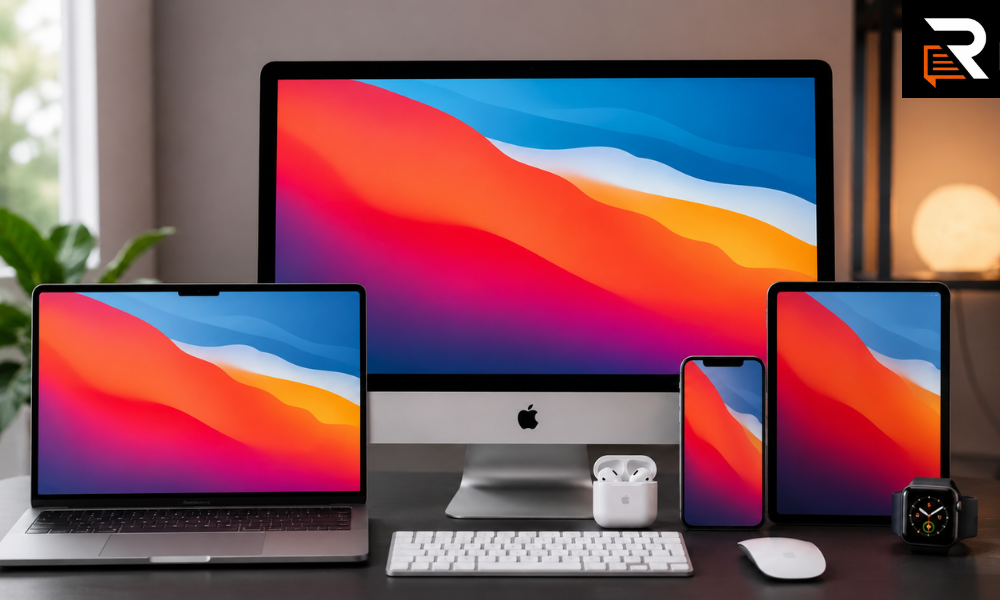
Apple’s ecosystem has evolved into something far bigger than a lineup of standalone gadgets. Every device, service, and feature is designed to work in harmony, creating an experience that feels effortless once it’s set up correctly. DigitalRGS Everything Apple was created to help readers understand that bigger picture, breaking down a complex ecosystem into hardware, connectivity, and services so nothing feels confusing or overwhelming along the way.
This guide walks through the three pillars that define modern Apple ownership: the physical devices used every day, the features that let those devices communicate seamlessly, and the software layer quietly holding everything together behind the scenes. By the end, readers will understand not just what each product does individually, but why the ecosystem feels so cohesive once everything is properly connected and configured.
What Is DigitalRGS Everything Apple
DigitalRGS Everything Apple is a structured resource built to explain how Apple’s hardware, software, and services function as one interconnected system rather than a collection of unrelated products sold separately. Instead of reviewing a single device in isolation, it maps out the relationships between products, showing readers exactly how one purchase decision can influence the overall experience across every other Apple device they already own or plan to buy.
The real value of this approach is practical rather than theoretical. Buying decisions become noticeably clearer once you understand how an iPhone purchase shapes your Mac workflow, or how an Apple Watch depends entirely on iPhone pairing to function properly. DigitalRGS Everything Apple organizes this complexity into manageable sections, moving logically from individual hardware choices to connective features, and finally into the services layer tying the entire ecosystem together.
Apple Hardware Forming the Foundation
Every meaningful Apple experience begins with hardware, and each device plays a distinct, deliberate role within the ecosystem. The iPhone remains the central hub, anchoring identity, notifications, and app access for most users. Its camera system, processing power, and deep iOS integration make it the device people interact with most frequently, often serving as the true entry point into everything else Apple has to offer across its broader product lineup.
The Mac and iPad extend that foundation into productivity and creativity, each covering different needs depending on the task at hand. Mac handles demanding workloads like coding, video editing, and heavy multitasking, while iPad comfortably bridges the gap between phone and laptop, ideal for note-taking, sketching, and content creation on the move. Together, these two devices cover nearly every computing scenario a modern user might realistically encounter.
Rounding out the hardware lineup, Apple Watch and AirPods add health tracking and audio convenience into daily routines. The Watch delivers fitness metrics and quick notification glances without requiring users to reach for their phone, while AirPods manage seamless audio switching between paired devices automatically. Both accessories depend heavily on iPhone connectivity, reinforcing just how tightly interconnected the entire Apple hardware ecosystem truly is.
How Apple Devices Connect Through Continuity
Hardware alone doesn’t create the seamless feeling Apple is widely known for; that experience comes from Continuity features working quietly in the background. Handoff lets users start composing an email on their iPhone and finish typing it moments later on their Mac without losing a single word. AirDrop enables instant file sharing between nearby devices, removing the need for cables, email attachments, or cloud uploads entirely.
Universal Control takes this connectivity even further, allowing a single keyboard and mouse to move fluidly between a Mac and an iPad as though they were genuinely one continuous screen. Meanwhile, Continuity Camera transforms an iPhone into a high-quality webcam or document scanner for Mac users. These aren’t minor conveniences or marketing gimmicks; they represent the practical, everyday glue that makes owning multiple Apple devices genuinely worthwhile and efficient.
Apple Services and Software Working Together
Behind every connected device sits a dependable layer of services keeping everything synchronized in real time. iCloud quietly backs up photos, documents, and personal settings, ensuring that switching from an iPhone to an iPad feels instantaneous rather than disruptive or time-consuming. Storage tiers scale comfortably with individual needs, ranging from casual photo backups to full device restores across an entire Apple household with multiple users.
Apple Intelligence has become a defining software layer across iOS, iPadOS, and macOS, enhancing writing tools, smart notifications, and Siri responses with genuine contextual awareness. Alongside these improvements, privacy and security features such as Face ID, Touch ID, and end-to-end encryption reinforce Apple’s long-standing reputation as a privacy-first company, a distinction that continues to matter more to everyday users navigating an increasingly connected world.
Subscription services complete the overall picture within this ecosystem. Apple Music, Apple TV+, and Apple Arcade extend the experience into entertainment, while Apple One conveniently bundles them into a single, cost-effective subscription plan. This is precisely where DigitalRGS Everything Apple becomes especially useful, helping readers understand how these services layer on top of hardware to create genuine, lasting value in everyday life.
Benefits and Trade-Offs Worth Considering
Buying into Apple’s ecosystem brings real, tangible convenience: seamless device switching, consistent design language, and long-term software support that keeps older devices relevant for years after purchase. Resale value also tends to hold up noticeably better than many competing platforms, making the initial investment feel far less risky over time for both individual users and larger households managing multiple devices together.
That said, this convenience isn’t without meaningful trade-offs worth acknowledging honestly. Entry costs remain higher than many alternative platforms, and once someone is deeply invested in the ecosystem, switching away can feel genuinely inconvenient or costly. Cross-platform compatibility with non-Apple devices continues improving but still has real limitations. A balanced perspective, which DigitalRGS Everything Apple consistently encourages, helps readers weigh convenience honestly against long-term cost and flexibility.
Practical Tips for Everyday Apple Users
Getting genuine value from the ecosystem starts with proper setup rather than assumptions. Sign in using the same iCloud account across every device, enable Handoff and Continuity within Settings, and confirm AirDrop visibility is switched on for nearby sharing. These small configuration steps are frequently overlooked, yet they’re directly responsible for most of the “it just works” magic people commonly associate with owning Apple products across multiple devices.
Beyond initial setup, ongoing habits matter just as much for long-term satisfaction. Regularly reviewing iCloud storage and active subscriptions helps avoid unnecessary recurring costs, while enabling two-factor authentication strengthens account security significantly. Using Find My across every paired device also offers valuable peace of mind. Small, consistent maintenance keeps the entire ecosystem running smoothly and prevents frustrating sync issues or storage limitations later on.
Read More: https://recentstories.co.uk/jodean-bottom/
FAQs
What is DigitalRGS Everything Apple?
It’s a structured guide explaining how Apple’s hardware, software, and services function together as one connected ecosystem, rather than reviewing individual products in isolation without broader context or comparison.
What devices are included in the Apple ecosystem?
The core lineup includes iPhone, Mac, iPad, Apple Watch, and AirPods, along with supporting accessories that connect and sync seamlessly through shared Apple account services and features.
What is Continuity or Handoff, and how does it actually work?
Continuity features like Handoff let users start a task on one Apple device and seamlessly continue it on another, relying on the same iCloud account for real-time synchronization.
Do I need to own every Apple device to benefit from the ecosystem?
No, partial ecosystems still offer genuine value, though owning more Apple devices generally unlocks deeper integration through features like Handoff, AirDrop, and Universal Control working together.
What is Apple Intelligence, and which devices currently support it?
Apple Intelligence is an AI-powered software layer enhancing writing, notifications, and Siri responses across newer iPhone, iPad, and Mac models with sufficient onboard processing capability.
Is joining the Apple ecosystem worth the cost compared to mixing different brands?
It depends largely on personal priorities. Apple offers convenience and consistency at a premium price, while mixing brands can save money but sacrifices some seamless day-to-day integration.
How does iCloud actually keep my data synced across every device?
iCloud automatically backs up photos, documents, and settings, syncing everything quietly in the background so any signed-in Apple device reflects the same up-to-date information instantly.
Final Thoughts
Apple’s ecosystem works best when viewed holistically, rather than as a collection of separate, unrelated purchases made over time. DigitalRGS Everything Apple brings that broader perspective together, connecting hardware, Continuity features, and services into one coherent, easy-to-understand picture. Understanding how these individual pieces interact genuinely helps people make smarter buying decisions and extract more everyday value from devices they already own and use regularly.
Whether someone is just starting out with their first iPhone or managing a household filled with multiple Apple products, applying the insights and structure covered throughout this guide will make the overall experience noticeably smoother. Revisiting DigitalRGS Everything Apple periodically is worthwhile too, since the ecosystem, much like this guide itself, continues evolving as new features and services roll out over time.

One thought on “DigitalRGS Everything Apple: Complete Guide to Devices, Software & Services”